SIDEWALKS
Pathways Built Around How You Move
Sidewalks in Augusta for properties where access, grade changes, and functional connections matter
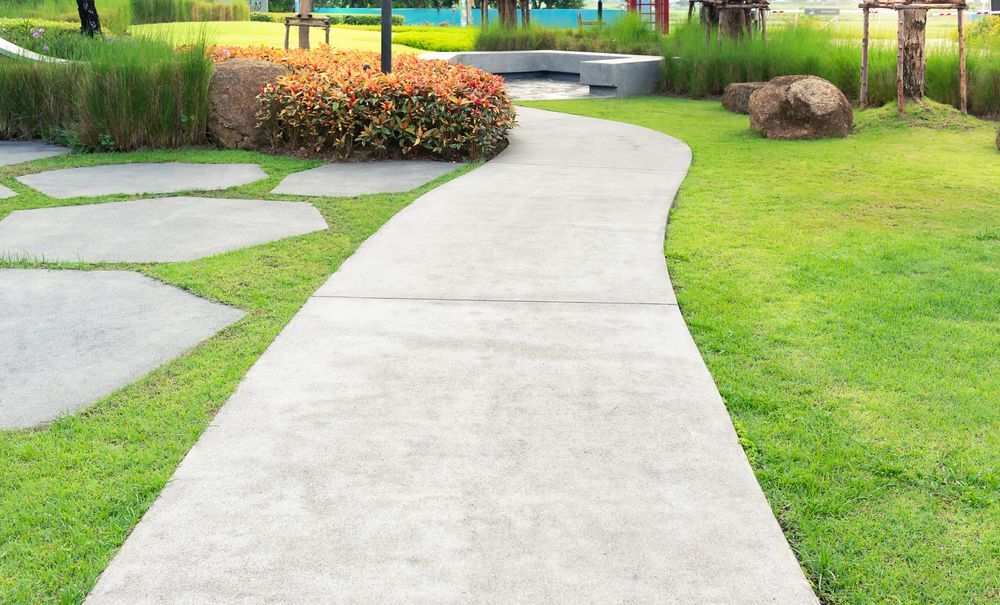
Todd Concrete Solutions builds sidewalks that address how people actually move through a property, not just where concrete happens to fit. The work begins with understanding access points, elevation changes, and how different areas of your yard connect to one another. A properly planned sidewalk accounts for where water flows during heavy rain, how steep certain sections can be before they become difficult to navigate, and whether the path needs to accommodate equipment or wheeled items in addition to foot traffic.
Sidewalk construction involves evaluating the existing grade along the route, determining whether soil needs to be cut down or built up to maintain a manageable slope, and planning transitions where the path meets driveways, steps, or other surfaces. Augusta's clay-heavy soils require proper compaction and base preparation to prevent settling that would create uneven sections or trip hazards over time. The layout must also account for drainage so that water doesn't pool on the surface or undercut the edges during storms.
Schedule a site evaluation to assess grade changes and drainage patterns along your planned route.
What Proper Sidewalk Construction Requires
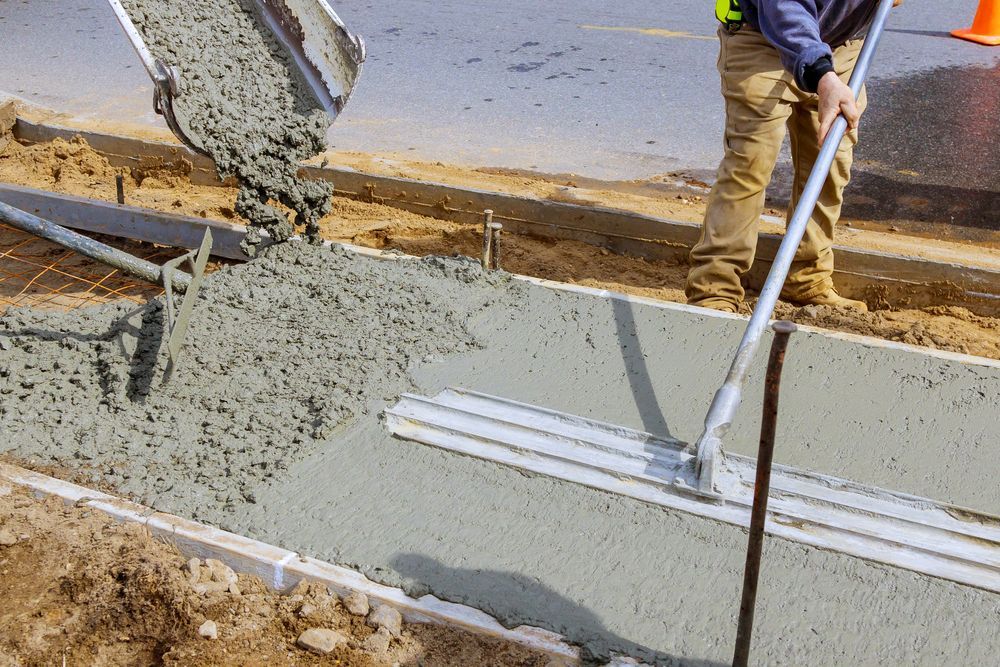
The first step is walking the property to identify elevation differences, existing drainage patterns, and how the sidewalk will integrate with other hardscapes. If the route crosses areas with significant slope, the design must include gradual transitions rather than abrupt changes that make the path difficult to use. Subgrade preparation involves removing unstable soil, compacting the base in layers, and ensuring the finished surface will slope slightly to move water off rather than allowing it to sit.
Once the sidewalk is poured and finished, you'll notice a clear, level walking surface that connects key areas without forcing you to navigate uneven ground or muddy sections. The edges remain stable because the base extends beyond the visible concrete, and water drains predictably rather than pooling in low spots. Expansion joints are placed at regular intervals to allow for seasonal movement without cracking, and the surface texture provides traction even when wet.
Sidewalks can be poured as straight runs or curved to follow natural contours and landscaping. The width should reflect actual use—a primary path to the front door needs more space than a secondary route to a side yard. Thickness and reinforcement depend on whether the sidewalk will only see foot traffic or if it needs to support occasional vehicle crossings or equipment.
OUR COMPREHENSIVE SERVICES
New Driveway Installation
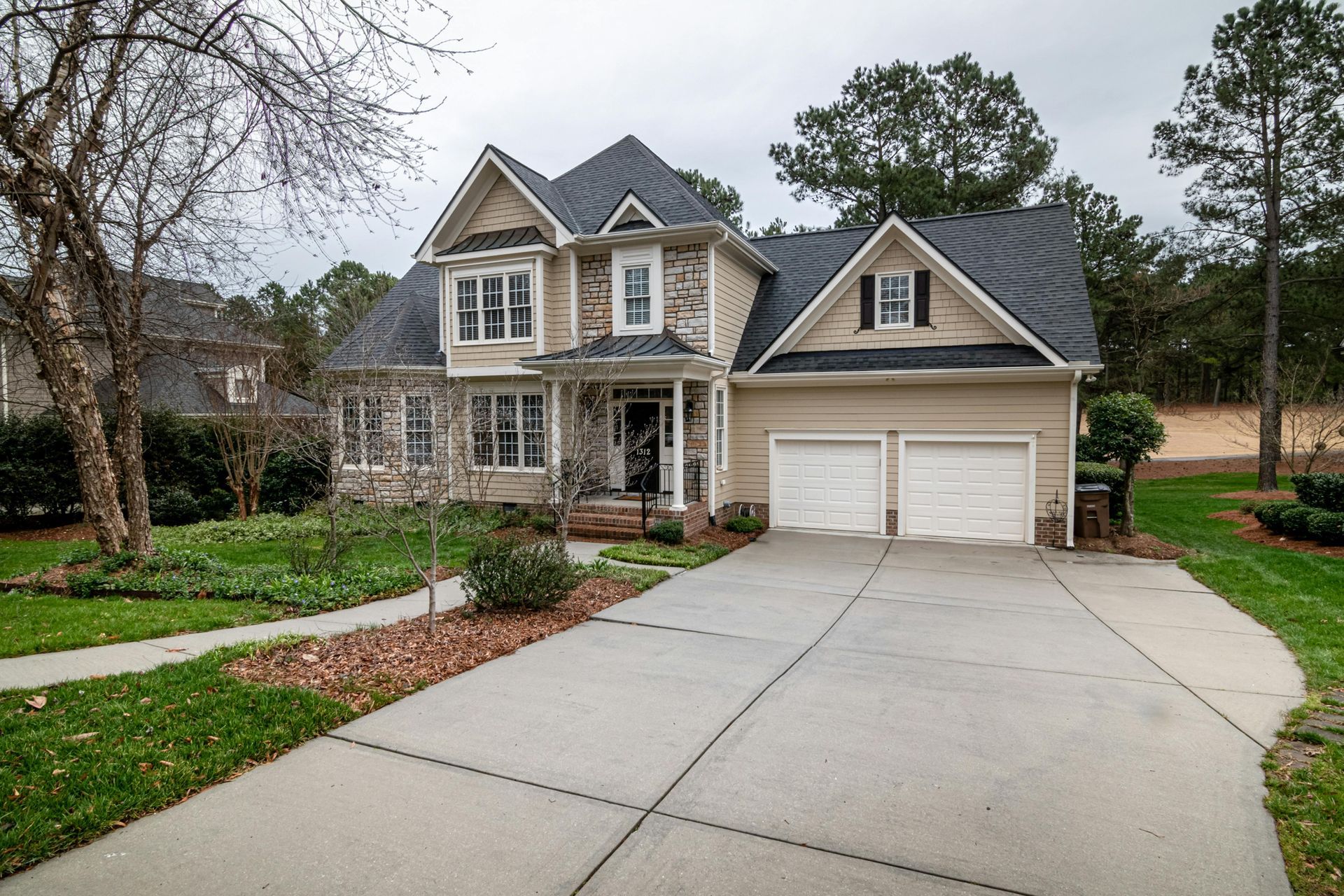
Need a brand-new concrete driveway? We handle the entire process from site preparation to final sealing, ensuring your driveway is strong, level, and built to last. Our team works closely with you to choose the best design, size, and finish to match your home’s style.
Driveway Replacement
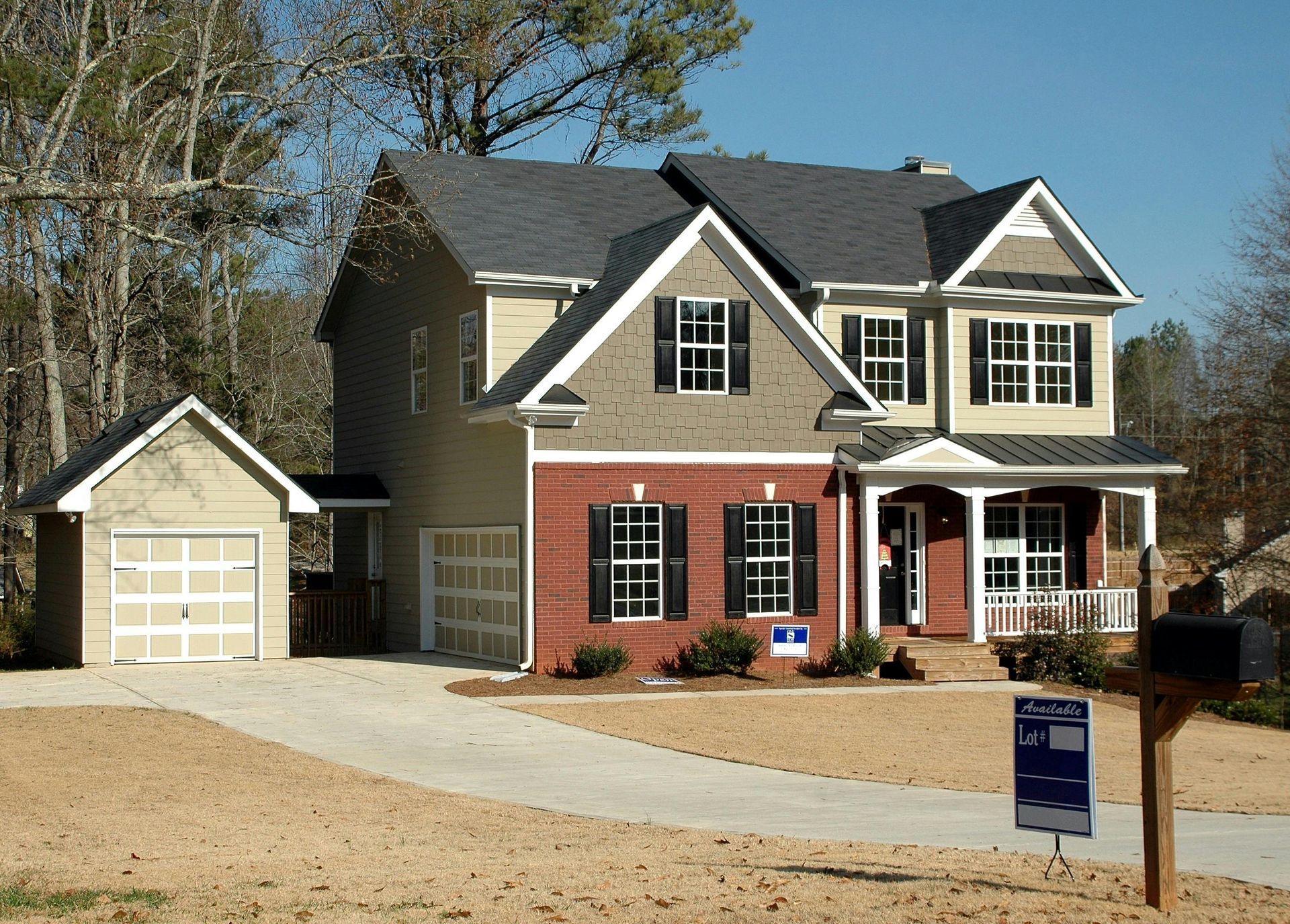
If your current driveway is cracked, uneven, or beyond repair, we’ll tear out the old surface and install a new, high-quality concrete driveway. Our team ensures proper grading, drainage, and reinforcement so your new driveway lasts for decades.
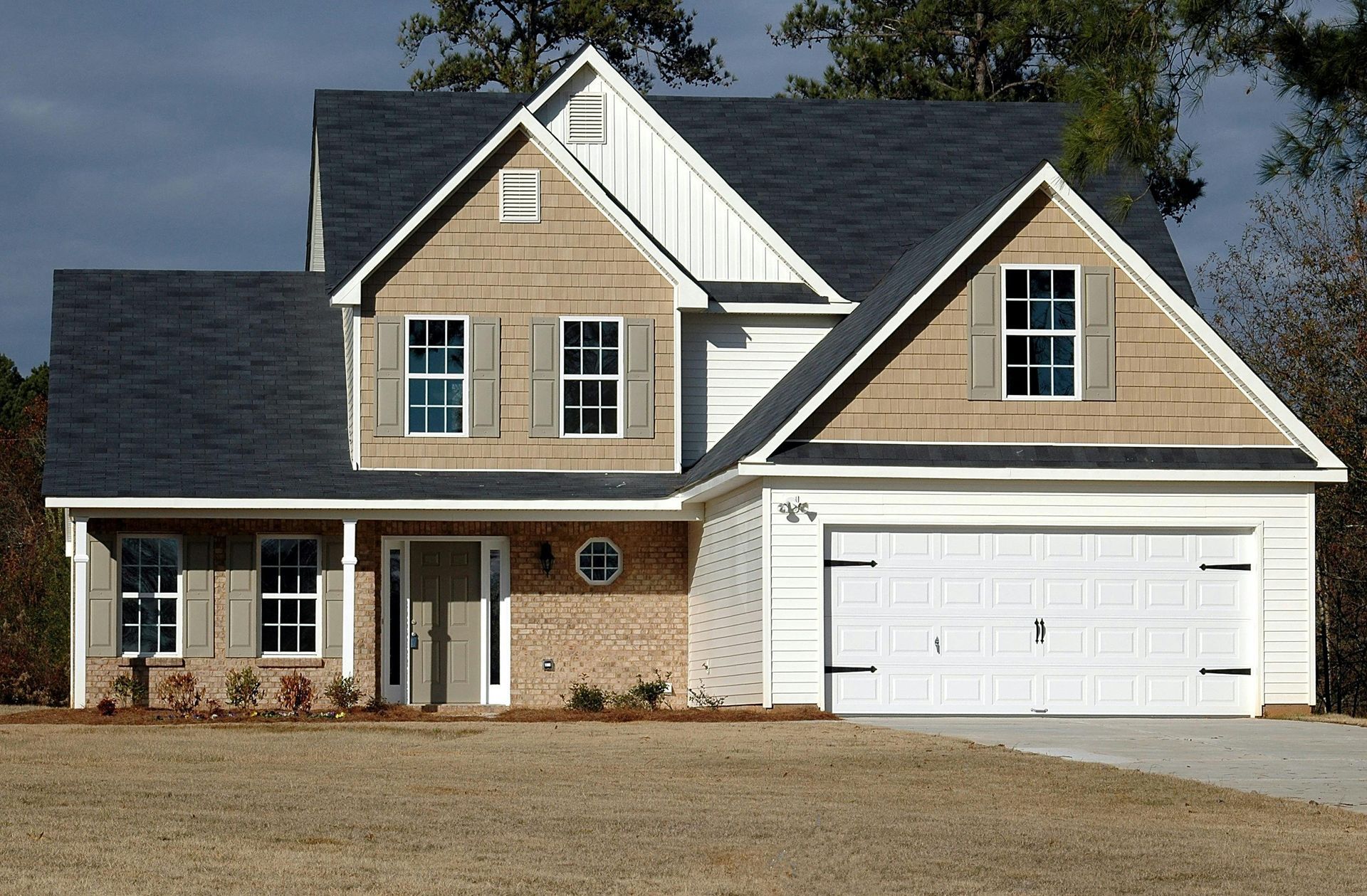
Driveway Extension
Need more space? Whether you’re adding extra parking, expanding for RV storage, or creating a wider entryway, our driveway extensions seamlessly match your existing concrete, ensuring a smooth, unified look.
Questions Before Starting Your Project
Homeowners in Augusta often ask about slope, drainage, and how to plan routes that make sense for daily use.
- What slope is too steep for a sidewalk? Slopes steeper than one inch of rise per foot of run become difficult to navigate safely, especially in wet conditions or for anyone with mobility limitations. If the grade requires a steeper slope, the route may need to be adjusted or steps incorporated at certain points.
- How is drainage handled along a sidewalk? The surface is pitched slightly so water runs off to the sides rather than pooling, and the base is graded to direct subsurface water away from the path. In areas where water naturally flows across the route, additional drainage measures may be needed to prevent erosion under the concrete.
- How wide should a sidewalk be? A primary walkway to the front door is typically four to five feet wide to allow two people to walk side by side comfortably. Secondary paths can be narrower, but anything less than three feet feels cramped and limits functionality.
- What controls cracking in a long sidewalk? Expansion joints are cut or formed at intervals to create intentional weak points where the concrete can move slightly with temperature changes and soil shifts. Without these joints, cracks will appear randomly across the surface.
- Can a sidewalk connect to an existing driveway or patio? Yes, but the transition must be planned so the two surfaces meet cleanly without creating a trip hazard. The new concrete is poured tight against the existing surface, and a control joint is placed at the seam to manage any future movement.
Todd Concrete Solutions evaluates your property's layout and drainage before recommending a sidewalk route. Request an on-site consultation to discuss access points, grade challenges, and how the finished path will function for your specific needs.
Our Process – Simple, Fast & Hassle-Free
01. Consultation & Quote
We begin with a detailed property assessment to understand your specific needs. Our team then provides a clear, upfront quote within 24 hours, ensuring you have full visibility into the cost and scope before we begin the work on your concrete driveway installation
02. Site Prep & Foundation
Driveway installation begins with the removal of any existing pavement, grass, or debris. The site is then carefully graded to ensure proper drainage, compacted to enhance stability, and reinforced with a durable gravel base to provide a solid and long-lasting foundation.
03. Reinforcement & Framing
For a durable concrete driveway, we begin by installing rebar or wire mesh reinforcement to maximize strength. Sturdy wooden forms are then set in place to define the shape and ensure clean, precise edges before the concrete is poured.
04. Concrete Pouring & Finishing
Once the concrete driveway is ready for pouring, we use high-quality concrete and ensure it’s smoothed evenly for a flawless surface. You can choose from a variety of finishes, including broom, stamped, or exposed aggregate. To enhance durability and reduce the risk of cracking, we also cut control joints at strategic points.
What our Clients say
I had a dirt filled porch that needed to be replaced. Cameron and his team came in and knocked it out without a problem. They removed all of the previous concrete and replaced it same day! It looks better than I could have imagined.
Josh K.
We had Cameron’s crew out to extend our patio across the back of our house. They were all very professional and courteous, along with doing a great job. I don’t anticipate needing any more concrete but if I ever do, I would certainly go to them again. It’s only a couple days old, so it’s still curing. It’ll whiten up soon
Tim-Traci B.
Todd Concrete Solutions put a incredible amount of work on our driveway and patio! I was so impressed on how hard they worked and their attention to detail. Thanks Cam and team!
Naara M.
Contact Us
We will get back to you as soon as possible.
Please try again later.
Concrete vs. Other Driveway Materials
Concrete vs. Asphalt
Concrete lasts 30+ years with minimal upkeep, while asphalt needs replacement in 15–20 years and requires frequent sealing and repairs.
Concrete vs. Gravel
Concrete provides a smooth, even surface with no loose rocks, while gravel needs constant regrading, refilling, and can become messy.
Concrete vs. Pavers
Concrete is more cost-effective and resists shifting, while pavers can loosen, create uneven surfaces, and need releveling.
Concrete vs. Brick
Concrete is stronger and longer-lasting, while brick driveways can shift, crack, and require frequent maintenance.
Frequently Asked Questions (FAQs)
1. How long does it take to install a concrete driveway?
Most standard driveways take just 2 days – one day for removal and preparation, and one day for pouring the new concrete.
2. When can I drive on my new concrete driveway?
We recommend waiting 7 days before driving on it to ensure proper curing.
3. Do you offer warranties?
Yes! We stand behind our work and ensure customer satisfaction before final payment.
4. Can I customize my driveway’s look?
Absolutely! Choose from colors, textures, and stamped designs to fit your style.