Driveway Aprons
Transitions Built to Handle Daily Traffic
Driveway Aprons in Augusta for properties replacing damaged street connections or adding new driveway access points
The driveway apron is the section that transitions from the street to your property, often the first part of a driveway to show damage because it handles the combined stress of vehicle weight changes, street runoff, and occasional impacts from snowplows or street maintenance equipment. Replacing an apron involves coordinating with local regulations that specify thickness, width, slope, and sometimes the requirement for a curb cut permit before work begins. Todd Concrete Solutions handles apron replacements by evaluating the existing street connection, confirming permit requirements with local authorities, and preparing the base to meet the load standards required for the transition between public and private surfaces.
Apron installation begins with removing the damaged concrete, verifying that the subgrade has not eroded where street runoff concentrates, and installing a rock base compacted to a higher density than typical driveway sections because the apron must support vehicles as they decelerate and turn. The slope of the apron is set to match the street grade while transitioning smoothly to the elevation of the existing driveway.
Request a property evaluation and permit consultation to determine the specifications your apron replacement must meet and whether local approvals are required before construction starts.
What Makes an Apron Different From the Rest of the Driveway
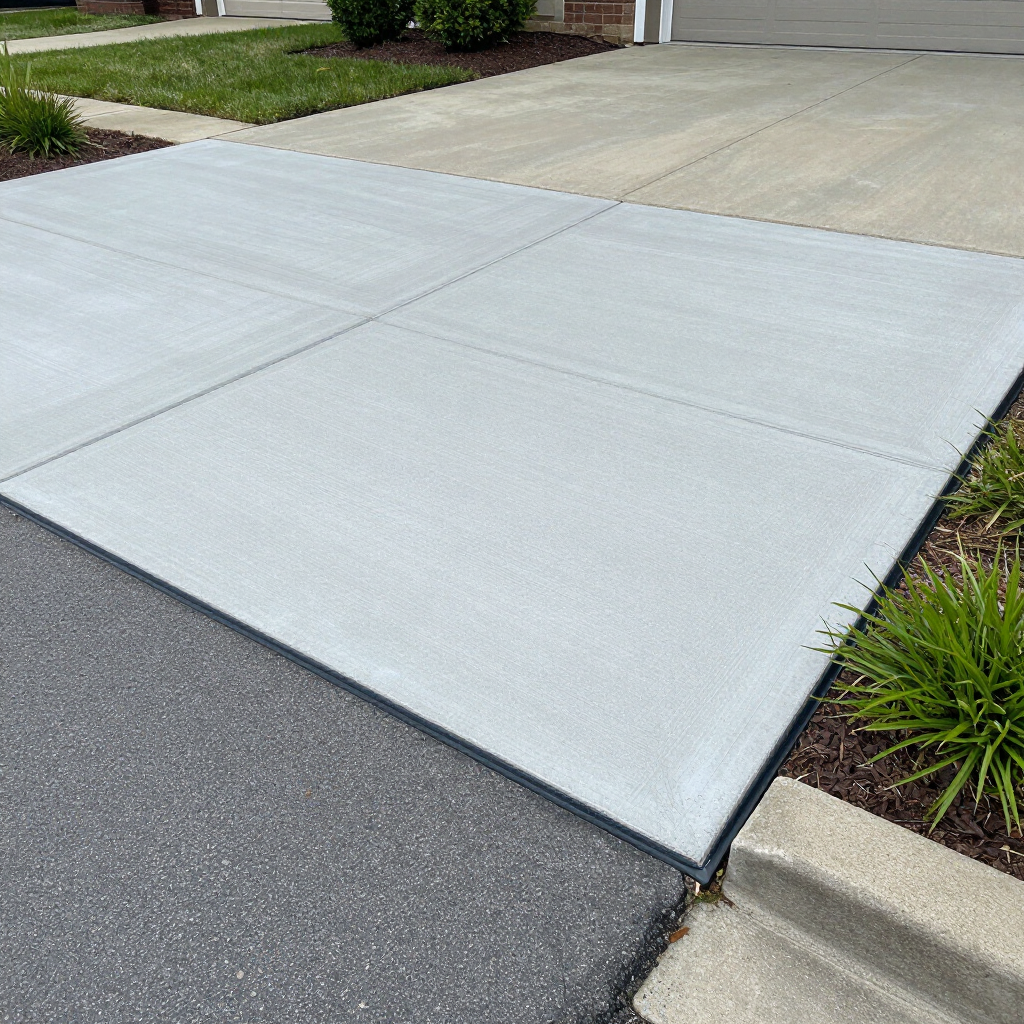
Aprons typically require thicker concrete and a more robust base than interior driveway sections because they experience higher stress from vehicles entering and exiting at angles, from street drainage concentrating at that point, and from the transition between the crowned street surface and the flatter driveway grade. In Augusta, apron thickness and reinforcement standards are sometimes specified by local codes, particularly for properties on streets with higher traffic volumes or those requiring curb cuts through existing sidewalks.
Once the new apron cures, you will notice a smooth transition from the street to the driveway without the jarring bump or height mismatch that often develops when aprons settle, the surface drains water toward the street rather than allowing runoff to pool at the entry point, and the edges align properly with the street curb or gutter line. The apron effectively handles the stress of daily traffic without cracking or settling the way the previous installation did.
Apron projects sometimes involve coordination with utility companies if water, gas, or electric lines run beneath the street connection, and they may require temporary traffic control if work extends into the roadway. Scheduling and permitting timelines affect when the project can begin, particularly in neighborhoods where street access restrictions apply during certain hours.
Common Questions About This Service
Replacing or installing a driveway apron raises specific questions about regulations, site coordination, and how the new installation will hold up under conditions that damaged the previous apron.
- What permits are required for apron replacement in Augusta?
- Requirements depend on whether the apron involves cutting an existing curb, extends into the public right-of-way, or modifies drainage features, with some projects requiring approval from local public works departments before construction begins.
- How is the slope of the apron calculated to match both the street and driveway?
- The apron must transition from the crown of the street, which is higher in the center, to the elevation of the driveway at the property line, so the grade is calculated to create a smooth incline that does not cause vehicles to scrape or bottom out.
- Why do aprons crack more frequently than other driveway sections?
- Aprons handle repetitive stress from vehicles braking and turning at the same point, absorb impacts from street traffic, and experience concentrated water flow from the street, all of which contribute to accelerated wear compared to sections farther up the driveway.
- When does an apron need to be thicker than the rest of the driveway?
- If the property is accessed by delivery trucks, moving vans, or equipment trailers, or if the street has a significant crown that creates a steep transition angle, increased thickness and reinforcement prevent cracking and settlement under those higher loads.
- What happens if the street curb is damaged when the old apron is removed?
- Coordination with local authorities determines whether the curb must be repaired as part of the project, who is responsible for that work, and whether the replacement apron design needs to account for the curb condition.
Todd Concrete Solutions coordinates apron replacements with local permit requirements, manages site access and utility considerations, and prepares the base and slope to handle the specific conditions at your street connection. Schedule a consultation to review your apron replacement and confirm the permitting and design requirements that apply to your property.
