Commercial Concrete Projects
Concrete Systems for Commercial Applications
Commercial Concrete Projects in Augusta for properties requiring durability under continuous traffic, loading, and operational demands
Commercial concrete in Augusta involves different load expectations, finish standards, and regulatory compliance compared to residential work. Parking areas, loading zones, sidewalks, and building slabs at commercial properties handle vehicle traffic, forklift loads, pedestrian use, and environmental exposure day after day without maintenance shutdowns. Todd Concrete Solutions approaches commercial projects by first determining the intended use, verifying whether the project requires engineered plans or permits, and identifying which aspects of the work fall under commercial building codes rather than residential construction standards.
The distinction between residential and commercial concrete isn't just project size—it's the performance requirements and approval process. Commercial work often requires thicker sections, higher concrete strengths, specific reinforcement patterns, and ADA-compliant slope and finish details. In Augusta, commercial projects usually involve coordination with engineers, utility locates, stormwater management plans, and inspection schedules that don't apply to typical homeowner projects.
Schedule a property evaluation to identify specific site conditions and determine what engineering or permitting your commercial project requires.
What Changes After Commercial Concrete Completes
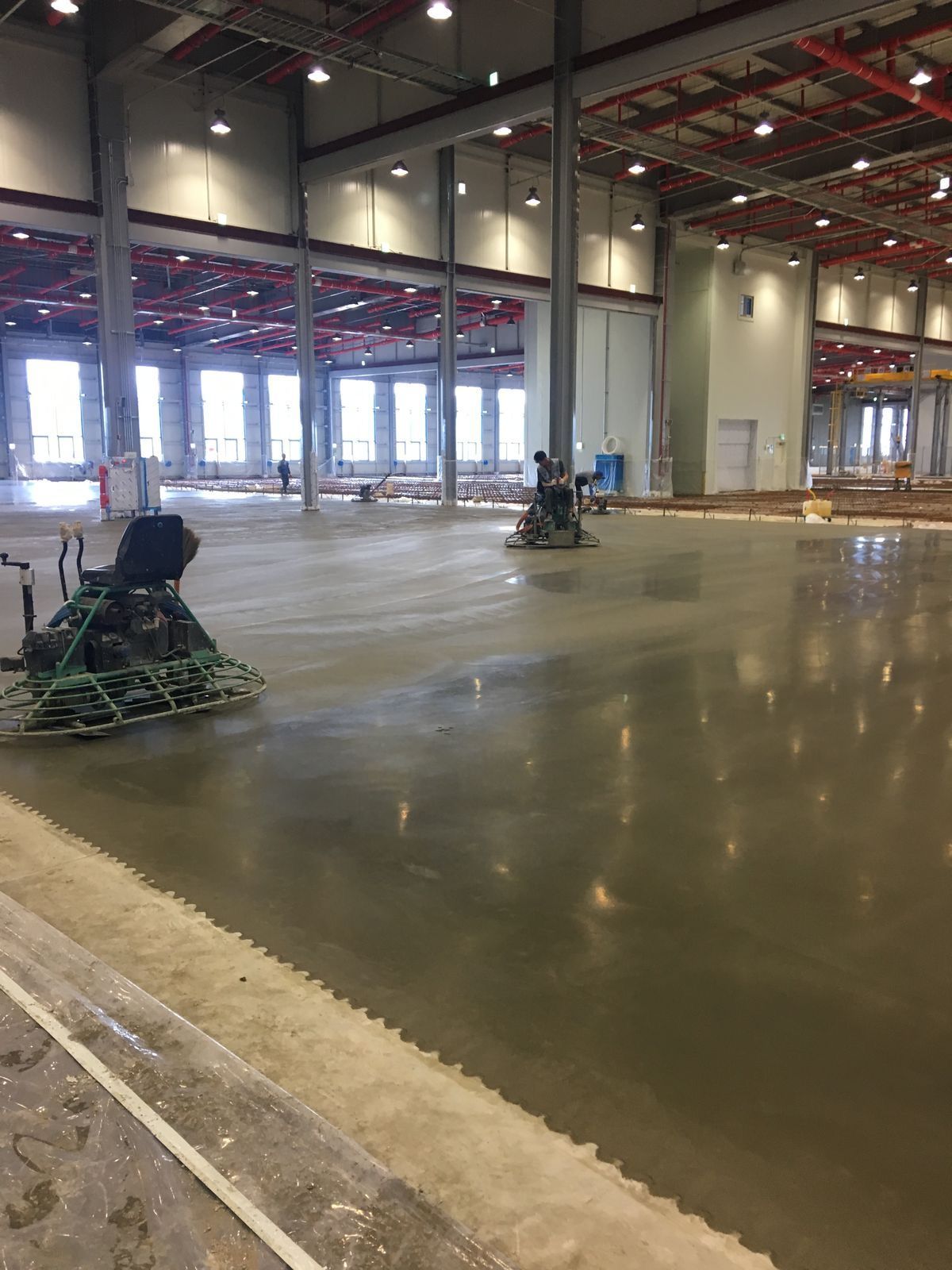
Commercial concrete projects require substrates compacted and verified for bearing capacity, formwork that maintains dimensional accuracy across large pours, and finishing techniques that produce slip-resistant surfaces meeting accessibility standards. Joint layout is calculated to control cracking based on slab dimensions and expected loads, and reinforcement is positioned to handle tensile stresses from vehicle traffic or point loads. If the project involves site development, concrete placement is sequenced with grading, drainage systems, and utility installations to prevent rework or service conflicts.
Once construction wraps and occupancy permits are issued, the property has functional concrete surfaces that handle daily commercial operations without immediate maintenance. Delivery trucks maneuver across parking areas without cracking edges, pedestrians navigate walkways with proper drainage and slope transitions, and loading zones support repeated forklift traffic because the substrate, thickness, and reinforcement were designed for that use. Commercial concrete longevity depends on whether the installation accounted for actual site conditions and use patterns rather than applying residential methods to commercial loads.
Contractor selection for commercial concrete should consider whether the company demonstrates familiarity with commercial code requirements, inspection protocols, and the documentation needed for permit closeout. Price alone doesn't reflect whether the contractor understands commercial performance standards or has experience coordinating with engineers and inspectors.
What Property Owners Usually Ask
Commercial concrete decisions involve balancing budget, timeline, and compliance with standards that ensure long-term performance under business operations.
- What makes commercial concrete different from residential driveways or patios? Commercial concrete typically uses higher strength mixes, thicker cross-sections, and reinforcement designed for repetitive loading and heavier vehicles. Finishing requirements often include slip resistance ratings, ADA slope compliance, and joint spacing calculated to limit crack width under commercial traffic patterns.
- How does permitting work for commercial concrete projects in Augusta? Commercial projects generally require site development permits, engineered drawings stamped by a licensed professional, stormwater management plans if the work affects drainage, and inspections at key construction stages. The permitting timeline depends on project complexity and whether the work triggers additional reviews for accessibility, environmental impact, or utility coordination.
- When should a commercial property owner consider replacing versus repairing concrete? Replacement makes sense when the existing concrete has widespread cracking, settlement that creates tripping hazards or drainage problems, or thickness inadequate for current loading. Repairs work when damage is localized and the substrate remains stable, but patching doesn't restore structural capacity if the original installation was under-designed for the loads it carries.
- Why do commercial concrete costs vary significantly between contractors? Costs reflect whether the contractor includes proper substrate preparation, specified concrete strength, correct reinforcement, and compliance with commercial finishing standards. Lower bids sometimes omit compaction testing, use thinner sections, or skip reinforcement, which leads to premature failure and expensive replacement within a few years.
- What should businesses expect during construction at an active commercial property? Expect phased construction to maintain some access, coordination with your operating hours to minimize disruption, barricades and signage for safety and liability, and curing periods when newly poured areas cannot support traffic. Well-planned projects include staging that keeps critical access routes open throughout construction.
Todd Concrete Solutions evaluates your property's operational requirements, coordinates permitting and engineering when applicable, and schedules construction to minimize business disruption. Arrange a site visit to discuss your project scope and timeline.
