
Paver Installation
Pavers Installed as Complete Systems
Paver Installation in Augusta for outdoor surfaces requiring dimensional stability, drainage performance, and long-term interlock
Paver installations that last depend on base construction, edge restraint, and jointing procedures that happen before surface appearance becomes visible. Todd Concrete Solutions approaches paver projects in Augusta by first evaluating substrate conditions, existing drainage patterns, intended use, and site grading to determine base thickness, material specifications, and compaction requirements. Pavers themselves are only the top layer of a system that includes excavation, geotextile fabric, aggregate base courses, bedding sand, and edge containment—all calibrated to prevent settlement, shifting, or joint separation under traffic and weather exposure.
The difference between a paver surface that remains stable and one that sinks or spreads apart is base preparation quality and edge restraint adequacy. In Augusta, clay soils and seasonal rainfall create conditions where inadequate base construction leads to rutting, uneven settling, and joint failures within two to three years. Proper installations include compacted aggregate bases thick enough to distribute loads and flexible enough to resist freeze-thaw movement, plus edge restraints that prevent lateral creep as vehicles or foot traffic apply force to the paver surface.
Request a site evaluation to determine what base construction and drainage work your property requires before paver installation.
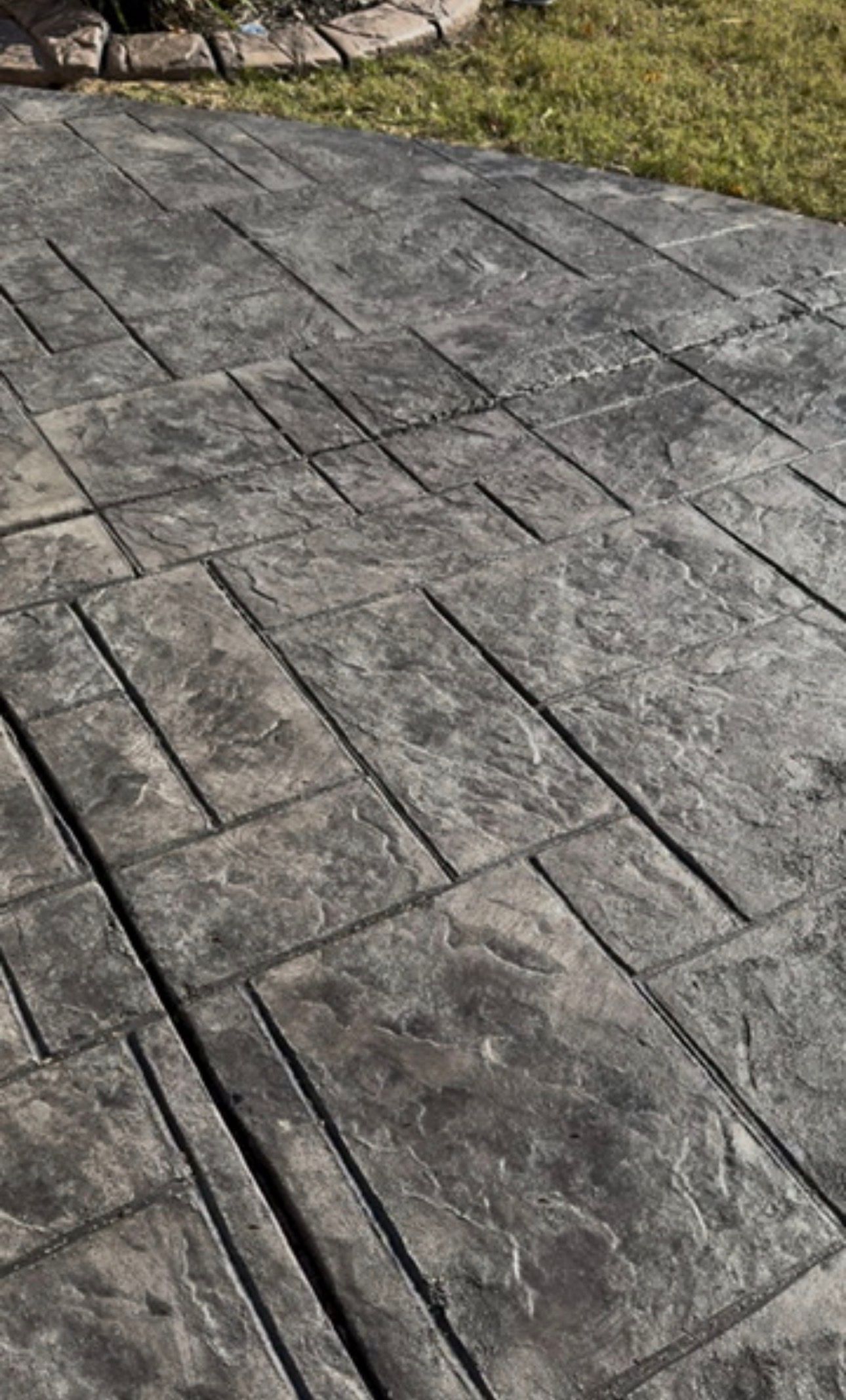
What Proper Paver Installation Accomplishes
Paver installation begins with excavation to depth, then placement of geotextile fabric to separate subgrade from base aggregate and prevent intermixing that would reduce load-bearing capacity. Crushed aggregate base is spread in lifts and compacted with plate compactors or rollers to achieve density specifications, creating a stable platform that distributes loads and allows water to drain through the base rather than pooling under pavers. Bedding sand is screeded to precise depth, pavers are placed with tight joints, and edge restraints—plastic, aluminum, or concrete—are installed to lock the perimeter and prevent outward movement. After placement, joint sand is swept into gaps and the surface is compacted again to seat pavers into the bedding layer and lock the interlock pattern.
Once the installation cures and joints stabilize, your surface remains level without sinking or heaving, water drains through joints and base materials instead of pooling, and individual pavers stay locked in place under foot and vehicle traffic. Pavers perform correctly because the base resists compression, edge restraints contain lateral forces, and joint sand maintains spacing that allows the system to flex slightly without losing structural integrity. Installations that fail show sunken areas where base compaction was insufficient, spread joints where edge restraint is missing or inadequate, and weed growth where joint sand wasn't properly installed or has washed out due to poor drainage.
Selecting a paver contractor requires evaluating their base construction methods and edge restraint practices, not just the paver patterns they display in photos. Low bids often reflect thin bases, skipped compaction steps, or missing edge containment—shortcuts that guarantee premature failure regardless of paver quality.
Common Questions About This Service
Paver projects raise questions about installation methods, longevity, and how base construction affects long-term performance in Augusta's climate.
- What base thickness is required for paver driveways versus patios? Driveways supporting vehicle traffic typically require eight to twelve inches of compacted aggregate base depending on soil conditions and vehicle weight, while pedestrian patios may need four to six inches. Base thickness accounts for load distribution and soil bearing capacity, and undersized bases lead to rutting and settlement under repeated loading.
- How does edge restraint prevent pavers from shifting? Edge restraint anchors the perimeter pavers and prevents the entire surface from creeping outward as traffic applies lateral forces. Without restraint, pavers at edges shift first, which loosens joints across the entire installation and leads to widespread movement, uneven surfaces, and joint failures.
- Why is compaction important during paver installation? Compaction eliminates voids in the base aggregate and bedding sand, creating a dense, stable platform that resists compression under load. Insufficient compaction allows the base to settle unevenly after installation, causing pavers to sink in low spots and creating an uneven, unsafe surface.
- What role does joint sand play in paver performance? Joint sand locks pavers together by filling gaps and creating friction that prevents individual units from shifting. Polymeric sand hardens after wetting to resist washout and weed growth, while standard joint sand requires periodic replenishment as weather and traffic displace material over time.
- How do drainage considerations affect paver installation in Augusta? Proper grading and base permeability prevent water from pooling under pavers, which would soften subgrade, cause base erosion, and lead to settling. In Augusta's clay soils, installations may require positive drainage slopes, base drains, or permeable base materials to move water away from the paver system and prevent saturation-related failures.
Todd Concrete Solutions builds paver installations with base construction, compaction, and edge restraint calibrated to site conditions and intended use, producing surfaces that remain stable and functional long-term. Arrange a site consultation to review your project area and discuss base requirements specific to your property.