DECORATIVE CONCRETE
Surfaces That Combine Function and Appearance
Decorative Concrete in Augusta for patios, walkways, and driveways where finish options add visual appeal without compromising durability
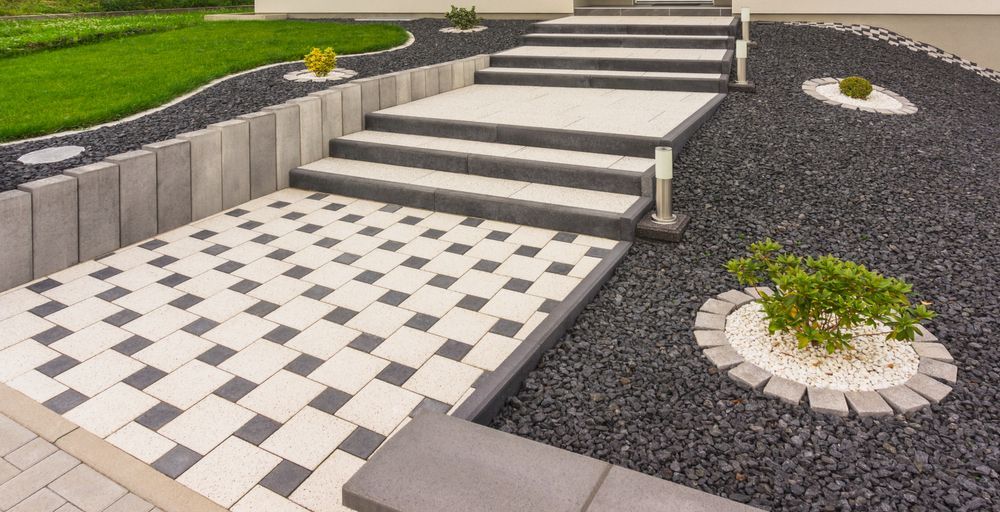
Decorative concrete applies color, pattern, or texture to functional surfaces so they serve their intended purpose while contributing to the overall look of the property. The challenge is ensuring that stamped patterns, stained finishes, or exposed aggregate surfaces hold up under the same conditions as standard concrete—vehicle traffic on driveways, standing water on patios, and freeze-thaw exposure during occasional winter weather in Augusta. Todd Concrete Solutions installs decorative finishes by selecting techniques and products appropriate for the specific application, preparing the base and mix to the same structural standards as any flatwork, and applying the finish in a way that doesn't weaken the surface or create maintenance burdens.
The process involves pouring and finishing the concrete to meet structural and drainage requirements first, then applying the decorative treatment while the surface is still workable. Stamping must be timed precisely so the concrete is firm enough to hold the pattern but not so hard that the stamps can't be pressed cleanly. Color is integrated into the mix or applied as a surface hardener, and sealers are chosen based on whether the surface will see foot traffic only or vehicle loads.
Schedule a project consultation to review finish options and discuss which techniques suit your intended use and site conditions.
Why Decorative Treatments Require Structural Planning
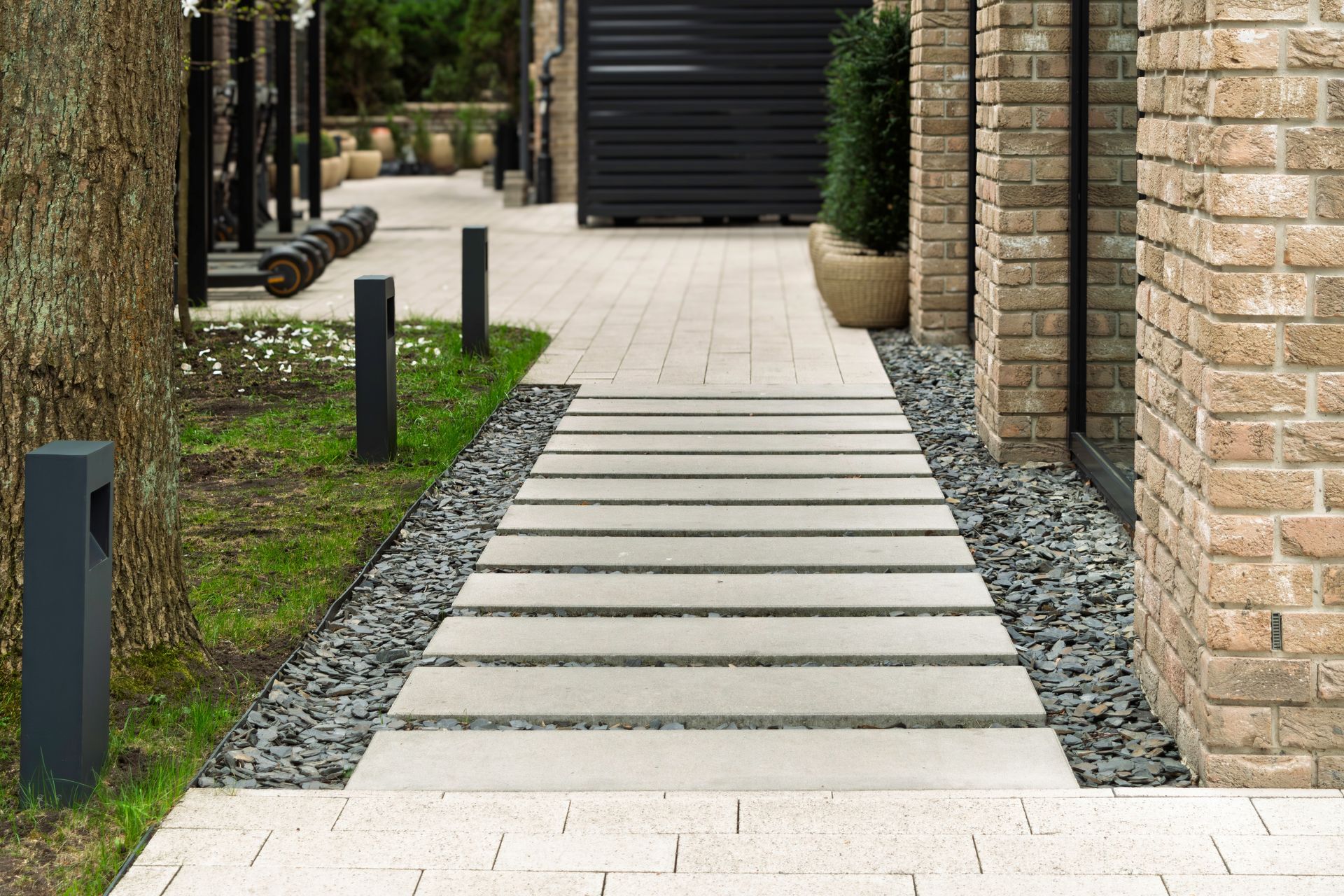
A stamped patio or colored driveway still needs proper subgrade preparation, adequate thickness, and correct reinforcement to perform long-term. The decorative finish is applied after the concrete is placed and leveled, using stamps, stains, or aggregate exposure techniques that integrate with the surface rather than sitting on top as a separate layer. Stamped patterns mimic stone, brick, or tile but require deep enough impressions to remain visible after years of use and weathering. Color hardeners and integral pigments must be mixed and applied at the right ratios to produce consistent tones without weakening the surface.
After installation, the finished surface shows the intended pattern and color while maintaining the same structural performance as standard concrete. Stamped driveways hold up to vehicle traffic without the pattern wearing away or joints opening, and stained patios resist fading from sun exposure and moisture. The texture provides adequate traction even when decorative, and drainage remains effective because the slope and finish work together rather than against each other.
Sealers are applied after curing to protect color and pattern from staining, UV exposure, and moisture penetration, though the sealer itself requires reapplication every few years depending on traffic and weather. Decorative concrete can be combined with standard finishes on the same project—a stamped border with a broom-finished center, for example—to balance appearance and budget. The key is ensuring the decorative elements don't compromise the functional requirements of the surface.
OUR COMPREHENSIVE SERVICES
New Driveway Installation
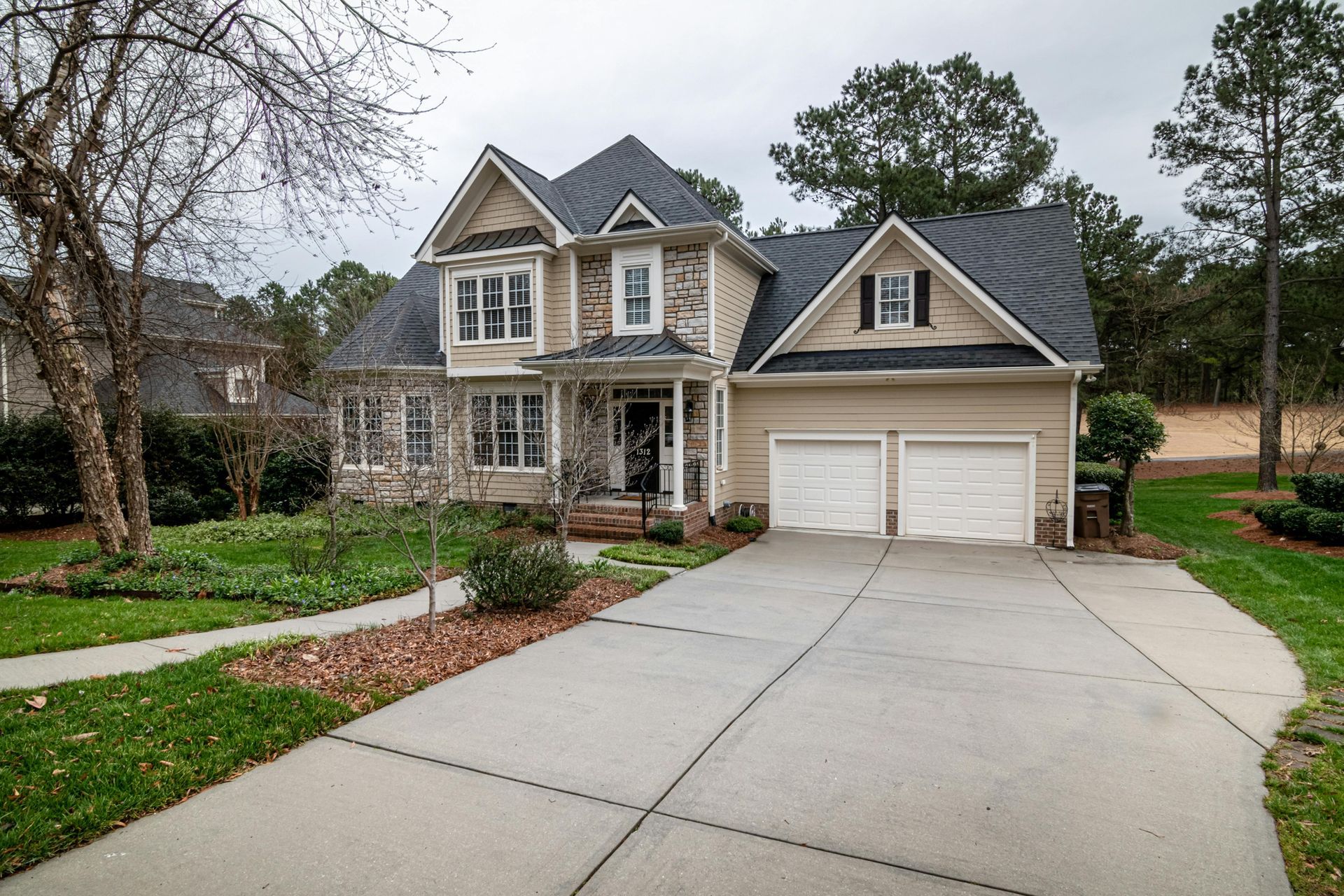
Need a brand-new concrete driveway? We handle the entire process from site preparation to final sealing, ensuring your driveway is strong, level, and built to last. Our team works closely with you to choose the best design, size, and finish to match your home’s style.
Driveway Replacement
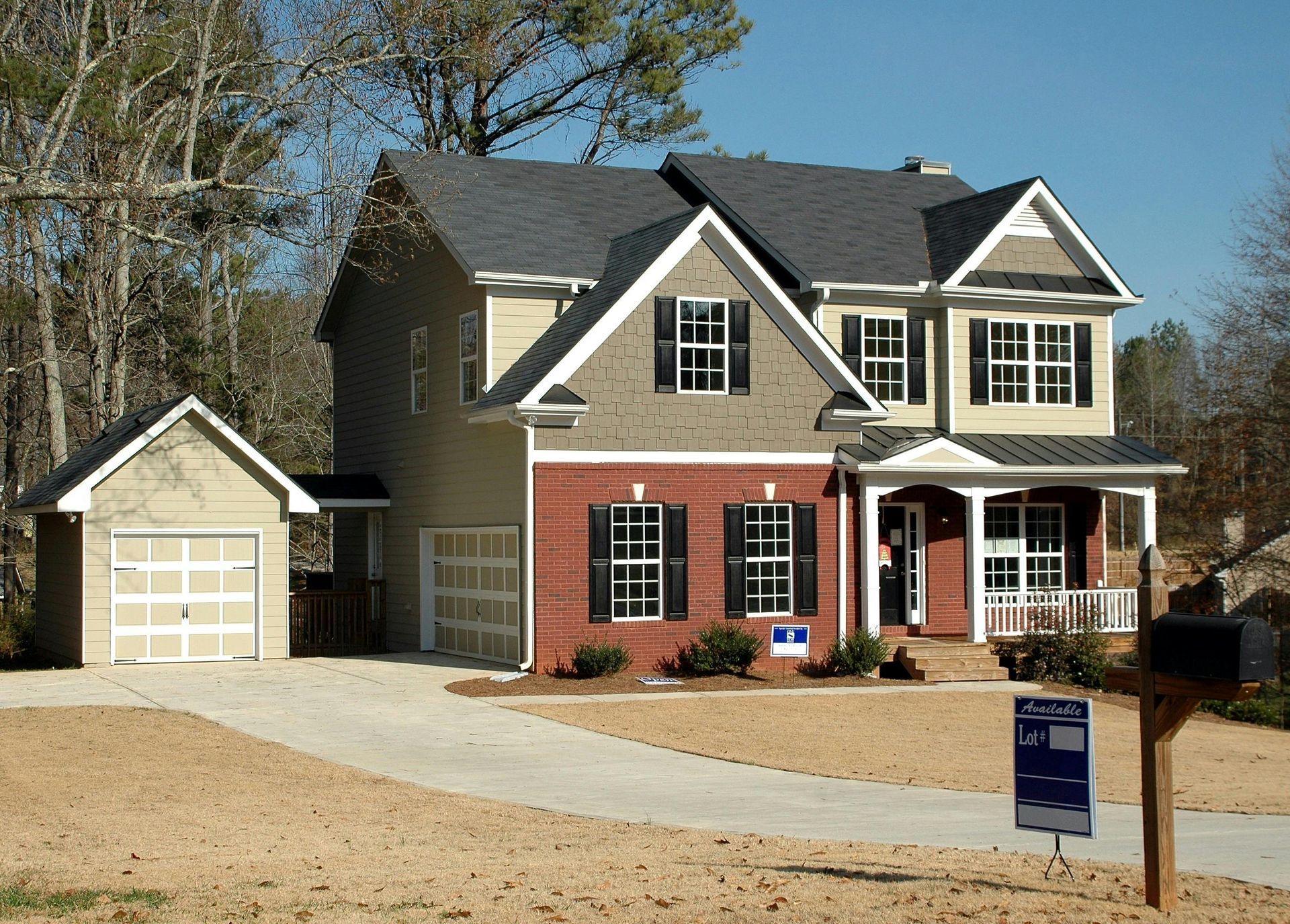
If your current driveway is cracked, uneven, or beyond repair, we’ll tear out the old surface and install a new, high-quality concrete driveway. Our team ensures proper grading, drainage, and reinforcement so your new driveway lasts for decades.
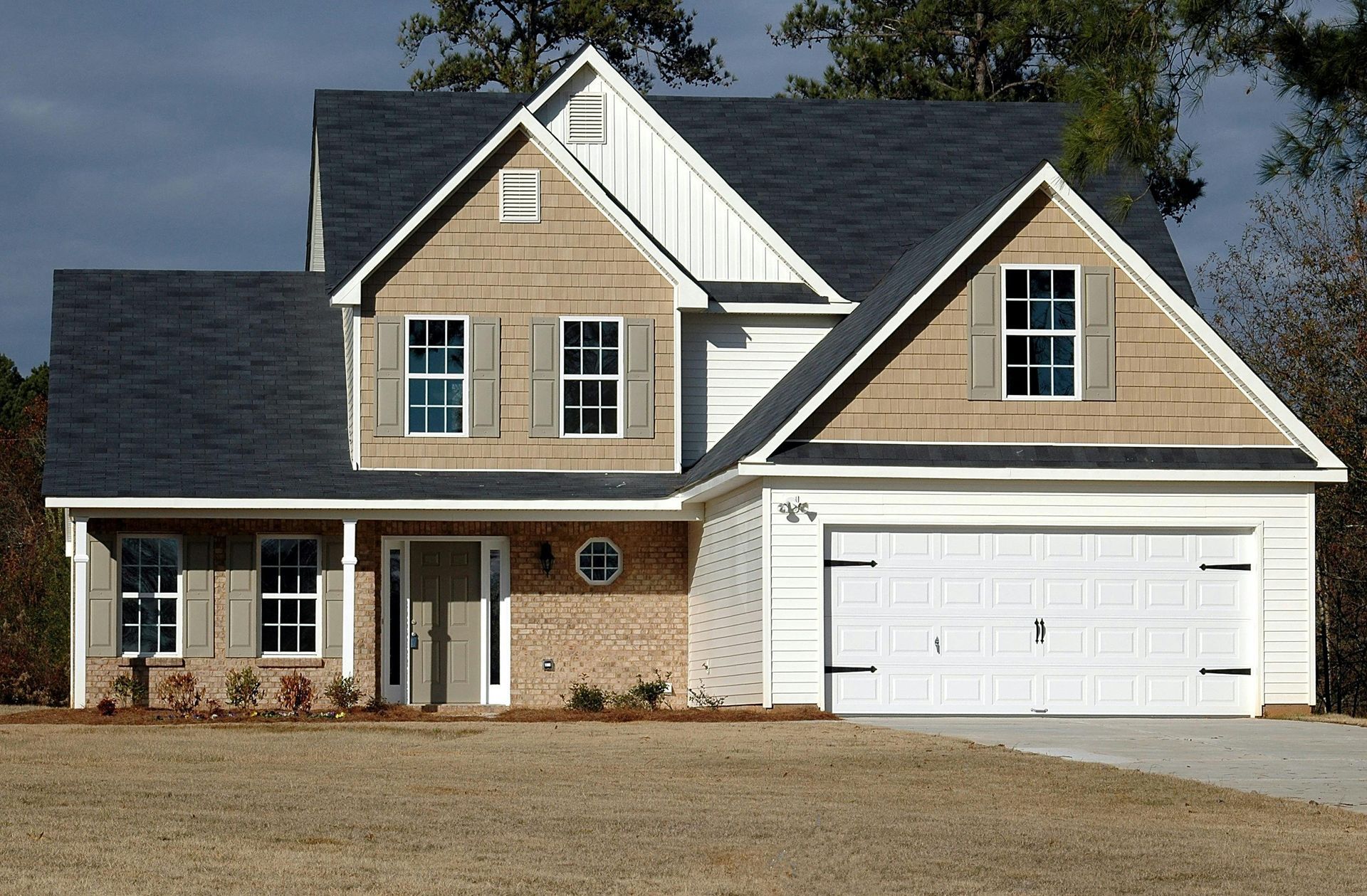
Driveway Extension
Need more space? Whether you’re adding extra parking, expanding for RV storage, or creating a wider entryway, our driveway extensions seamlessly match your existing concrete, ensuring a smooth, unified look.
What Property Owners Usually Ask
Questions about decorative concrete often focus on durability, maintenance, and how the finish will age compared to standard concrete.
- What is the difference between stamped and stained concrete? Stamping presses patterns into the surface to mimic other materials like stone or brick, while staining changes the color of the concrete without altering texture. Both can be used together or separately depending on the desired look.
- How long does the color last on decorative concrete? Integral color mixed into the concrete runs throughout the slab and won't wear away, though surface tones may lighten slightly over time with sun exposure. Color hardeners applied to the surface are more vibrant initially but require sealer to protect against fading and should be resealed periodically.
- Can decorative concrete be used on driveways? Yes, but the finish must account for vehicle traffic. Stamped driveways use deeper patterns and are sealed with products rated for abrasion resistance. The base preparation and thickness remain the same as a standard driveway to support the load.
- What maintenance does decorative concrete require? Sealed surfaces should be cleaned regularly and resealed every two to four years depending on traffic and exposure. Stamped concrete may collect debris in the pattern grooves and needs occasional pressure washing. Stained surfaces can be cleaned with mild detergent and water.
- How do decorative finishes perform in Augusta's climate? Stamped and stained concrete handle heat, rain, and occasional freezing temperatures as well as standard concrete if the base is properly prepared and the mix includes appropriate air entrainment. The sealer protects against moisture penetration, which is the primary concern during freeze-thaw cycles.
Todd Concrete Solutions integrates decorative finishes into projects designed for long-term durability and site-specific conditions. Arrange an evaluation to discuss finish options, see sample patterns and colors, and understand how decorative treatments will perform on your specific application.
Our Process – Simple, Fast & Hassle-Free
01. Consultation & Quote
We begin with a detailed property assessment to understand your specific needs. Our team then provides a clear, upfront quote within 24 hours, ensuring you have full visibility into the cost and scope before we begin the work on your concrete driveway installation
02. Site Prep & Foundation
Driveway installation begins with the removal of any existing pavement, grass, or debris. The site is then carefully graded to ensure proper drainage, compacted to enhance stability, and reinforced with a durable gravel base to provide a solid and long-lasting foundation.
03. Reinforcement & Framing
For a durable concrete driveway, we begin by installing rebar or wire mesh reinforcement to maximize strength. Sturdy wooden forms are then set in place to define the shape and ensure clean, precise edges before the concrete is poured.
04. Concrete Pouring & Finishing
Once the concrete driveway is ready for pouring, we use high-quality concrete and ensure it’s smoothed evenly for a flawless surface. You can choose from a variety of finishes, including broom, stamped, or exposed aggregate. To enhance durability and reduce the risk of cracking, we also cut control joints at strategic points.
What our Clients say
I had a dirt filled porch that needed to be replaced. Cameron and his team came in and knocked it out without a problem. They removed all of the previous concrete and replaced it same day! It looks better than I could have imagined.
Josh K.
We had Cameron’s crew out to extend our patio across the back of our house. They were all very professional and courteous, along with doing a great job. I don’t anticipate needing any more concrete but if I ever do, I would certainly go to them again. It’s only a couple days old, so it’s still curing. It’ll whiten up soon
Tim-Traci B.
Todd Concrete Solutions put a incredible amount of work on our driveway and patio! I was so impressed on how hard they worked and their attention to detail. Thanks Cam and team!
Naara M.
Contact Us
We will get back to you as soon as possible.
Please try again later.
Concrete vs. Other Driveway Materials
Concrete vs. Asphalt
Concrete lasts 30+ years with minimal upkeep, while asphalt needs replacement in 15–20 years and requires frequent sealing and repairs.
Concrete vs. Gravel
Concrete provides a smooth, even surface with no loose rocks, while gravel needs constant regrading, refilling, and can become messy.
Concrete vs. Pavers
Concrete is more cost-effective and resists shifting, while pavers can loosen, create uneven surfaces, and need releveling.
Concrete vs. Brick
Concrete is stronger and longer-lasting, while brick driveways can shift, crack, and require frequent maintenance.
Frequently Asked Questions (FAQs)
1. How long does it take to install a concrete driveway?
Most standard driveways take just 2 days – one day for removal and preparation, and one day for pouring the new concrete.
2. When can I drive on my new concrete driveway?
We recommend waiting 7 days before driving on it to ensure proper curing.
3. Do you offer warranties?
Yes! We stand behind our work and ensure customer satisfaction before final payment.
4. Can I customize my driveway’s look?
Absolutely! Choose from colors, textures, and stamped designs to fit your style.