
Fire & Outdoor Features
Features Designed for Function and Safety
Fire & Outdoor Features in Augusta for properties adding fire pits, seating walls, or accent elements that integrate with existing hardscape and meet clearance requirements
A fire pit positioned without regard for wind patterns sends smoke directly into seating areas, and decorative features installed without proper base preparation crack or settle within the first season. Fire and outdoor features must account for material heat tolerance, structural support beneath the visible elements, and how the addition ties into surrounding hardscape. Todd Concrete Solutions installs outdoor features in Augusta by evaluating site conditions that affect placement, material selection, and long-term durability rather than treating these elements as standalone additions. You need this service when adding built-in seating that must support weight without shifting, fire features that require gas line access and proper ventilation, or accent structures that visually connect different zones of your outdoor space.
Installation begins with identifying utility locations, prevailing wind direction, and code-required clearances from structures or combustible materials. Gas-fed fire features require trenching for supply lines and coordinating with utility providers, while wood-burning options need ventilation considerations and ash removal access. Base preparation varies depending on the feature—seating walls require compacted aggregate beneath masonry construction, and fire pits need heat-resistant materials and proper drainage to prevent water accumulation that would damage internal components during freezing temperatures.
Schedule a site evaluation to review placement options and clearance requirements for fire or outdoor features on your property.
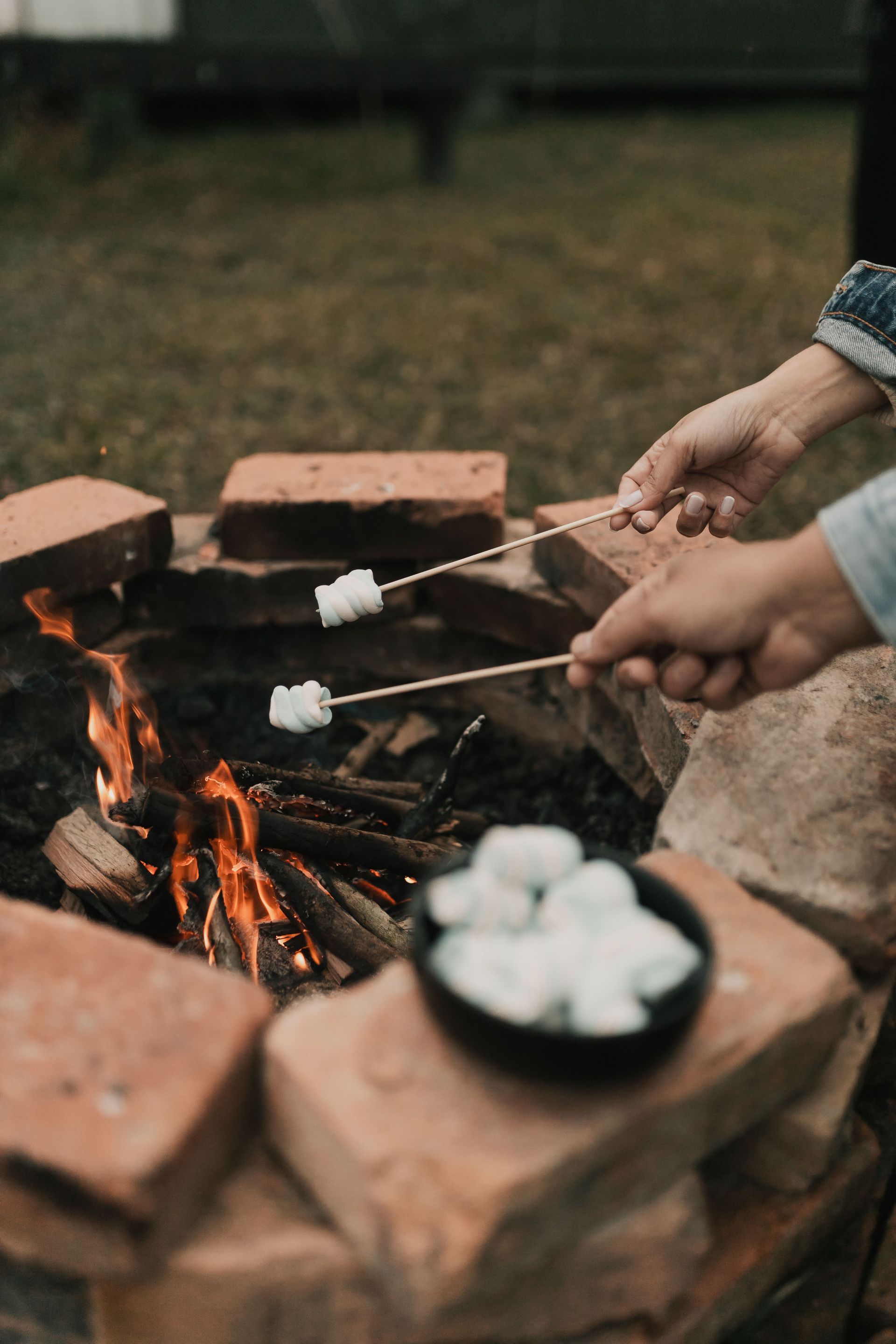
What Separates Functional Features from Decorative Additions
Proper installation addresses both the visible finish and the structural requirements that determine whether features remain level and intact through seasonal temperature swings and ground moisture changes common in Augusta. Fire features must incorporate heat-resistant materials in areas exposed to direct flame, and gas lines require shut-off valves positioned for safe access. Seating walls are built on footings that extend below the frost line to prevent settling, and coping stones are secured with mortar or adhesive to resist displacement when used as actual seating surfaces.
Once outdoor features are installed, you will notice seating areas that remain stable and level without developing cracks at mortar joints, fire pits that ignite reliably and distribute flame evenly across the burner, and accent walls that tie into existing patios or walkways without visible height mismatches or abrupt material transitions. Water drains away from the features rather than pooling around bases, and all elements withstand exposure to rain, heat, and freeze-thaw cycles without surface deterioration or structural movement.
Fire features may require permits depending on fuel type and proximity to structures, and gas line work must be inspected before final connection. Quality evaluation should include questions about base preparation beneath the feature, material heat ratings for components exposed to flame, and how drainage is managed around and beneath the installation. Comparing bids based solely on the visible materials ignores critical differences in structural support and code compliance that affect safety and longevity.
Common Questions About This Service
Homeowners planning fire or outdoor features often want to understand how placement decisions, material selection, and construction methods affect both appearance and long-term performance.
What clearances are required for fire features in residential installations?
Fire pits and fireplaces must maintain minimum distances from structures, property lines, and overhanging vegetation as specified by local codes, and these clearances vary based on whether the feature is wood-burning or gas-fed.
How does base preparation differ for seating walls compared to decorative borders?
Seating walls require deeper excavation and compacted aggregate bases because they must support human weight without settling or shifting, while decorative borders that are not load-bearing need less intensive preparation but still require stable foundations to prevent cracking.
When is a gas line installation required for fire features?
Gas-fed fire pits and fireplaces require trenched supply lines connected to your home's natural gas or a dedicated propane tank, and this work involves coordination with utility providers and inspections to verify proper sizing and safe installation before the feature is operational.
What materials are suitable for fire pit construction in Augusta's climate?
Materials must withstand high heat exposure without cracking and resist moisture infiltration during wet winters, which typically means fire-rated brick, concrete block with heat-resistant liners, or natural stone rated for thermal cycling rather than standard pavers or untreated concrete.
How do outdoor features integrate with existing hardscape?
Features are positioned so that surrounding patios or walkways provide level access, and material transitions are planned to match or complement existing surfaces while maintaining proper drainage flow and avoiding abrupt height changes that create trip hazards.
Todd Concrete Solutions evaluates site-specific conditions including wind patterns, utility access, and integration with existing outdoor spaces before installing fire or accent features. Request a consultation to discuss placement, material options, and permitting requirements for your project.
