
Concrete Walkways
Safe Access Between Structures and Spaces
Concrete Walkways in Augusta for homeowners needing stable paths between driveways, entryways, patios, and yard areas
Worn dirt paths, uneven gravel, or grass routes that turn muddy after rain create accessibility problems and track debris into the home, while a concrete walkway provides a permanent, all-weather surface that remains stable and clean. Todd Concrete Solutions installs concrete walkways in Augusta that connect key areas of the property, accommodate foot traffic without settling or cracking, and integrate with existing driveways, patios, and stoops through proper elevation matching and structural ties. The planning process includes evaluating the route for drainage, slope, and obstacles like tree roots or underground utilities that affect where the walkway can be placed.
Walkway construction involves excavating the path to stable subgrade, installing formwork that defines the width and path, and establishing the slope that will prevent water from pooling on the surface. Depending on soil conditions and walkway width, a compacted rock base may be added beneath the concrete to resist settling, particularly in areas where foot traffic is heavy or where the walkway transitions between different elevations.
Arrange an on-site consultation to map the most functional route and discuss width and finish options.
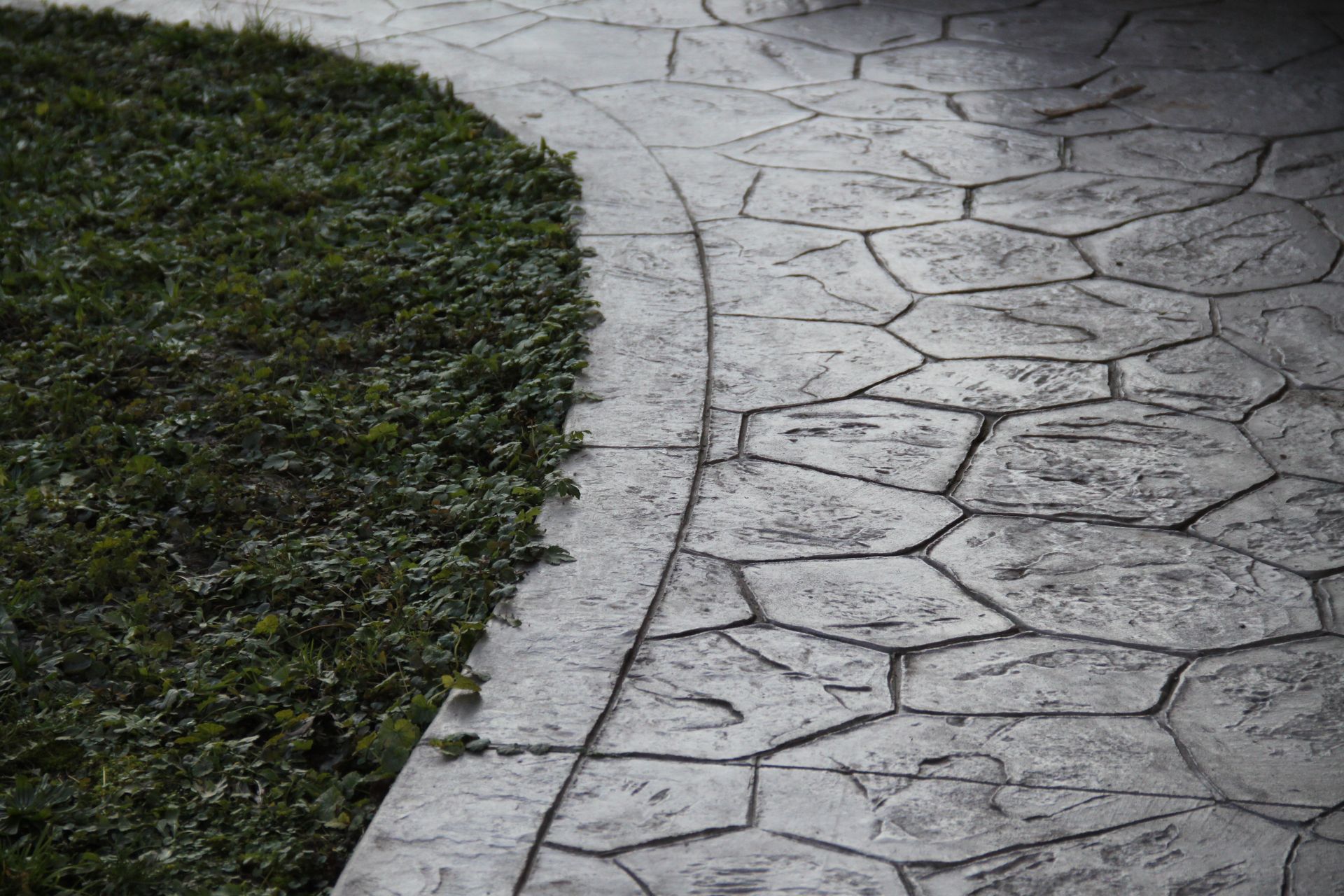
Why Proper Walkway Installation Works Long-Term
The walkway is formed to the planned width—typically three to four feet for single-file traffic or wider if the path will accommodate side-by-side walking or landscaping equipment. Once the base is prepared and compacted, concrete is poured, screeded to the correct slope, and finished with a broom texture that provides traction in wet conditions. Control joints are cut at intervals to manage cracking, and where the walkway meets existing concrete surfaces like driveways or patios, rebar dowels tie the sections together.
After installation, you will notice a clean, stable path that remains usable in all weather conditions without mud, ruts, or standing water. The walkway surface sheds rain and dries quickly, and the concrete resists the freeze-thaw cycles and root intrusion that cause pavers or gravel paths to heave and separate over time. Transitions between the walkway and adjacent surfaces will be smooth and level, eliminating trip hazards at doorways, driveway edges, or patio entrances.
In Augusta's soil conditions, tree roots can exert significant pressure on walkways over time, so the route is planned to avoid major root zones where possible. If roots cannot be avoided, deeper excavation and a thicker base layer help resist heaving, though no installation method can completely prevent root-related movement if a large tree continues growing directly beneath the path.
Questions Before Starting Your Project
Homeowners planning walkway installations typically have questions about routing, width, and long-term performance.
- What width should a residential walkway be? A three-foot width accommodates single-file foot traffic comfortably, while four feet allows two people to walk side by side. Wider walkways may be warranted if the path will also be used for wheelbarrows, lawn equipment, or accessibility devices.
- How do you prevent a walkway from settling unevenly? Proper subgrade compaction and removal of organic material prevent soft spots that cause settling. In areas where the soil is particularly unstable or where the walkway spans fill material, a compacted rock base is added to distribute loads and resist movement.
- Why does slope matter for a walkway? A slight slope—typically one-eighth to one-quarter inch per foot—prevents water from pooling on the surface and directs runoff toward appropriate drainage areas. The slope is subtle enough that it does not affect walking comfort but sufficient to keep the walkway dry after rain.
- When should expansion joints be included in a walkway? Control joints are cut or formed every four to six feet along the walkway length to manage cracking as the concrete expands and contracts with temperature changes. Expansion joints with compressible material are added where the walkway meets fixed structures like building foundations or steps, allowing independent movement without damage.
- What happens where the walkway meets an existing driveway or patio? The existing surface is sawcut to create a clean edge, and rebar dowels are drilled into the old concrete and extended into the new walkway pour. This mechanical connection prevents the joint from opening or developing a height difference as the ground shifts seasonally.
Todd Concrete Solutions evaluates walkway routes for drainage, obstacles, and integration points before installation to prevent future settling or accessibility problems. Request a detailed estimate based on the specific path layout and site conditions on your property.
