Brickwork
Masonry Built to Last Through Seasons
Brickwork in Augusta for properties requiring structural masonry, walkway borders, or accent walls that hold up under Georgia heat and seasonal moisture
Todd Concrete Solutions handles brickwork projects in Augusta where the construction method and material selection must match the specific application. You need this service when planning accent walls that tie into existing hardscape, walkway borders that define patio edges without shifting over time, or structural masonry features that support outdoor living areas. The difference between decorative brickwork and load-bearing applications changes how the foundation is prepared and what reinforcement is required beneath the visible surface.
Brickwork involves evaluating the intended function of the structure before selecting materials or beginning excavation. A freestanding garden wall requires different footing depth and reinforcement compared to a retaining structure that holds back soil pressure. The base must be compacted and leveled to prevent settling that would crack mortar joints within the first year.
Schedule a property evaluation to identify grading conditions and determine footing requirements for your brickwork project.
What Proper Masonry Construction Requires
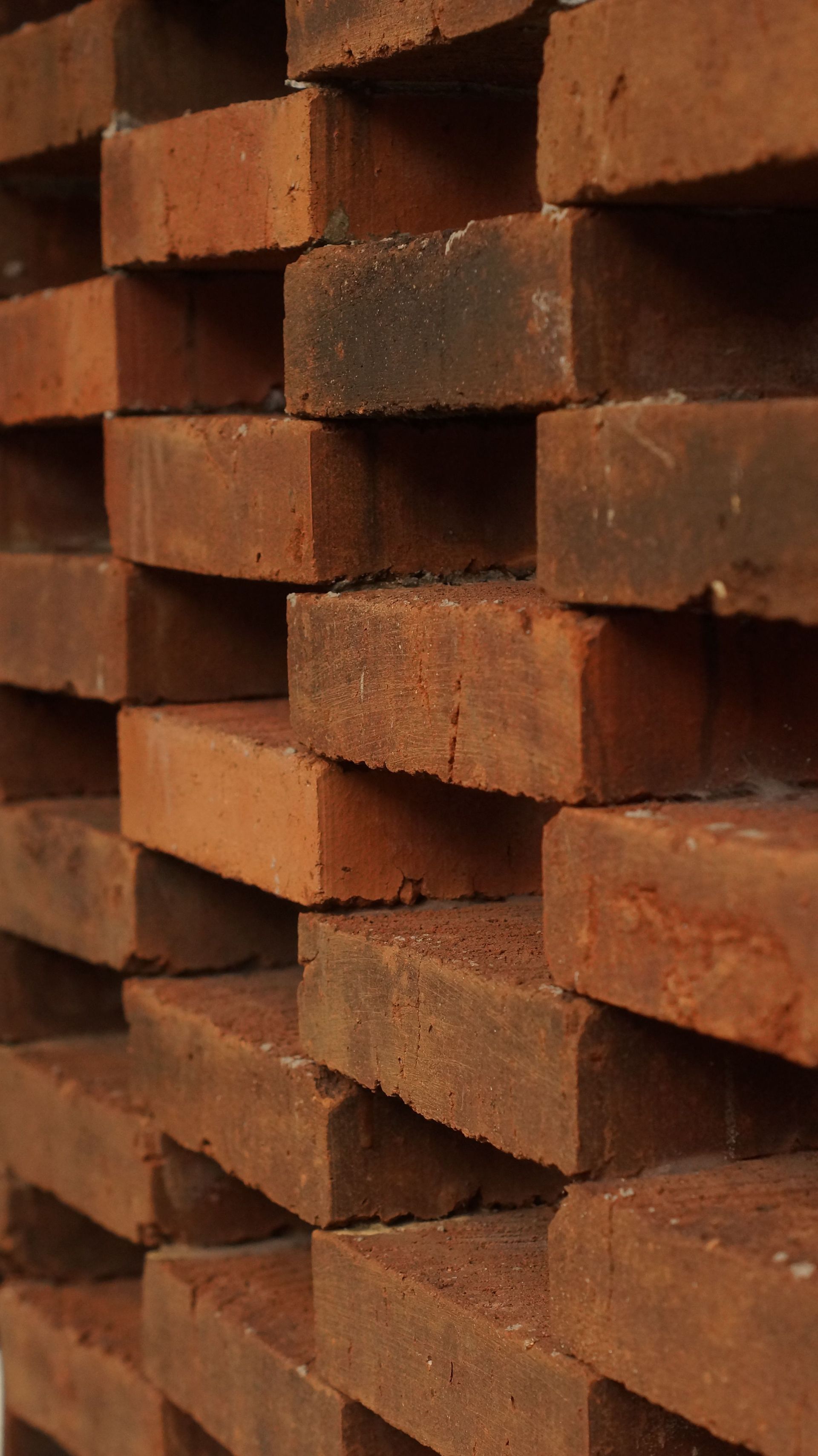
The base preparation determines whether brick structures remain level and intact after Georgia's wet winters and dry summers cause the soil beneath to expand and contract. Footings must extend below the frost line where applicable, and drainage considerations prevent water from pooling against the base where it would eventually weaken mortar bonds. Load-bearing walls require rebar reinforcement within the structure, while decorative borders rely on proper mortar consistency and joint tooling to shed water rather than absorb it.
Once the brickwork is completed, you will notice clean mortar joints that remain consistent in depth and tooling, corners that align without lippage, and surfaces that shed rainwater instead of developing staining or efflorescence within the first season. The structure remains plumb and level even after soil moisture fluctuates, and expansion joints prevent cracking where brick meets concrete or other rigid materials.
Brickwork quality depends on more than the visible finish. The type of mortar mix affects bond strength and flexibility, and the timing of joint tooling changes how well the surface resists water penetration. Projects that involve tying new masonry into existing structures require mechanical anchors or reinforcement to prevent separation over time.
What Property Owners Usually Ask
Homeowners preparing for brickwork projects in Augusta often have questions about how construction methods vary depending on the application and what preparation ensures long-term performance.
What determines whether a brick structure needs a concrete footing?
Any brickwork taller than two courses or intended to retain soil requires a poured concrete footing that extends below the frost line and provides a stable base that will not settle or shift as ground moisture changes seasonally in Augusta.
How does mortar joint tooling affect the finished appearance and durability?
Tooling compresses the mortar and shapes the joint profile to shed water away from the brick face, which prevents moisture infiltration that would cause efflorescence, staining, or freeze-thaw damage in colder months.
When should expansion joints be included in brickwork projects?
Expansion joints are required where brick structures meet concrete surfaces, at corners in long runs, and at intervals determined by the overall length of the wall to allow for thermal movement without cracking the masonry.
What preparation is involved before bricks are laid?
The site is excavated to the required depth, the subgrade is compacted, and footings are poured and cured before any brickwork begins to provide a level and stable foundation that prevents future settling.
How do I evaluate whether a contractor understands load-bearing versus decorative masonry?
Ask whether footings are part of the scope, how reinforcement will be incorporated, and what measures address drainage behind or beneath the structure—answers to these questions reveal whether the contractor accounts for structural requirements rather than just the visible finish.
Todd Concrete Solutions evaluates site grading, drainage conditions, and the intended function of each brickwork project before preparation begins. Request a consultation to review footing requirements and construction methods specific to your masonry project.
