
Driveway Widening
Creating Usable Width for Modern Vehicles
Driveway Widening in Augusta for narrow driveways that no longer accommodate current vehicle sizes or parking needs
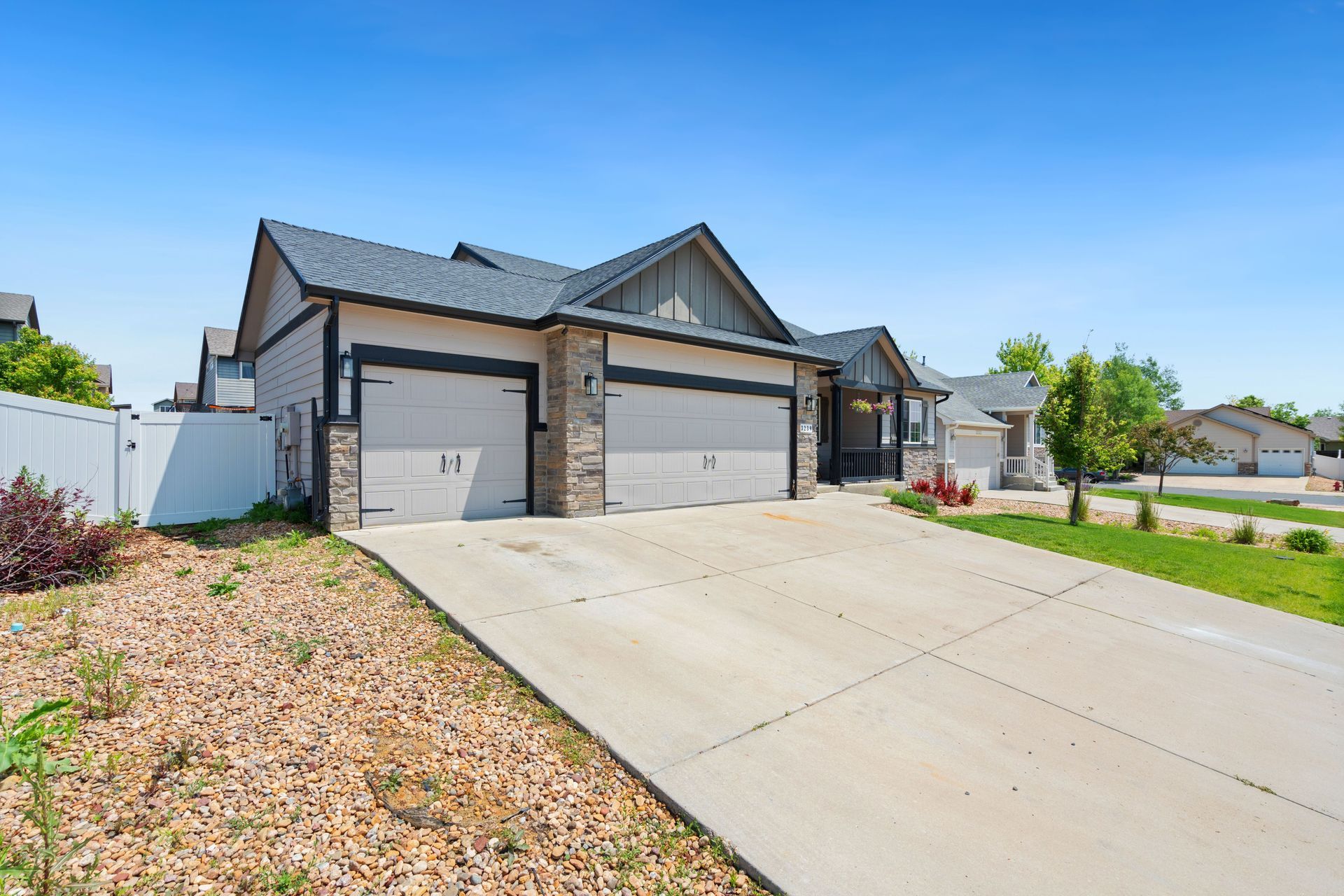
Driveways built decades ago were designed for smaller vehicles and often leave insufficient space for two cars to park side by side, for truck mirrors to clear landscaping, or for passengers to exit without stepping onto grass or gravel. Widening the driveway involves pouring new concrete along one or both edges of the existing slab, which requires matching the elevation and slope of the original surface while tying the new section into the old concrete with rebar dowels. The additional width must be planned around existing obstacles such as trees, utilities, drainage structures, and property lines that limit how far the driveway can expand laterally.
The widening process starts with determining how much additional space is needed based on the vehicles you park regularly and whether the extension will run the full length of the driveway or only in sections where extra width is most useful. Excavation removes soil and vegetation along the edge where new concrete will be placed, exposing the side of the existing slab so dowels can be installed.
Schedule an on-site evaluation to measure available space, identify obstacles, and determine how much width can be added within your property boundaries.
What Proper Integration Requires
A widened driveway must sit at the same height as the original surface and maintain the same drainage slope to prevent water from running toward the house or pooling along the joint where old and new concrete meet. Todd Concrete Solutions sets forms using measurements taken from the existing slab, compacts the rock base to the same density as the ground supporting the original driveway, and drills rebar dowels horizontally into the edge of the old concrete at intervals that lock the two sections together.
After the widened section cures, you will notice that vehicles fit comfortably within the driveway edges without tires running onto grass, doors open fully without obstructions, and the transition between old and new concrete remains flush without creating a ridge or separation line that disrupts the surface. The added width functions as though it were part of the original driveway rather than appearing as a distinct addition.
Widening one side of a driveway affects how water flows across the property, especially if the new section alters the slope or redirects runoff toward different areas. Grading adjustments or the addition of drainage features may be necessary to ensure that rain does not pool against the foundation or erode landscaping adjacent to the widened area.
Questions Before Starting Your Project
Property owners planning to widen a driveway often need clarification on how the addition will integrate with the existing surface and what site factors limit how much width can be added.
- How is the edge of the existing driveway prepared to accept new concrete?
- The edge is cleaned of dirt and debris, and horizontal holes are drilled at regular intervals to accept rebar dowels that extend into the area where new concrete will be poured, creating a mechanical connection between the two sections.
- What prevents the new concrete from settling lower than the original driveway?
- The rock base under the widened section is compacted to the same density as the material supporting the existing slab, and forms are set to bring the top of the new concrete flush with the original surface after accounting for thickness.
- Why does the width addition sometimes extend only partway down the driveway?
- Obstacles such as utility boxes, trees with root systems that cannot be disturbed, or property line restrictions may prevent widening the full length, so the addition focuses on areas where extra space provides the most benefit, such as near the garage or at the street entry.
- When does widening require changes to drainage structures?
- If the added width covers existing swales, redirects runoff toward structures, or blocks the path water previously followed during storms, grading or the installation of catch basins may be necessary to manage stormwater properly under Augusta's typical rainfall patterns.
- What determines whether the widening needs reinforcement beyond dowels?
- The span of the widened section, the type of vehicles that will use it, and the soil conditions all factor into whether additional rebar should be placed in the new concrete to control cracking and handle load stresses.
Todd Concrete Solutions plans driveway widening projects by measuring the available space, identifying conflicts with existing site features, and determining the preparation required to match the new concrete with the original surface. Set up a consultation to discuss how much width your property can accommodate and what obstacles affect the installation.
