Driveway Extensions
Adding Space Where Vehicles Actually Park
Driveway Extensions in Augusta for properties needing additional parking, equipment storage, or turnaround areas
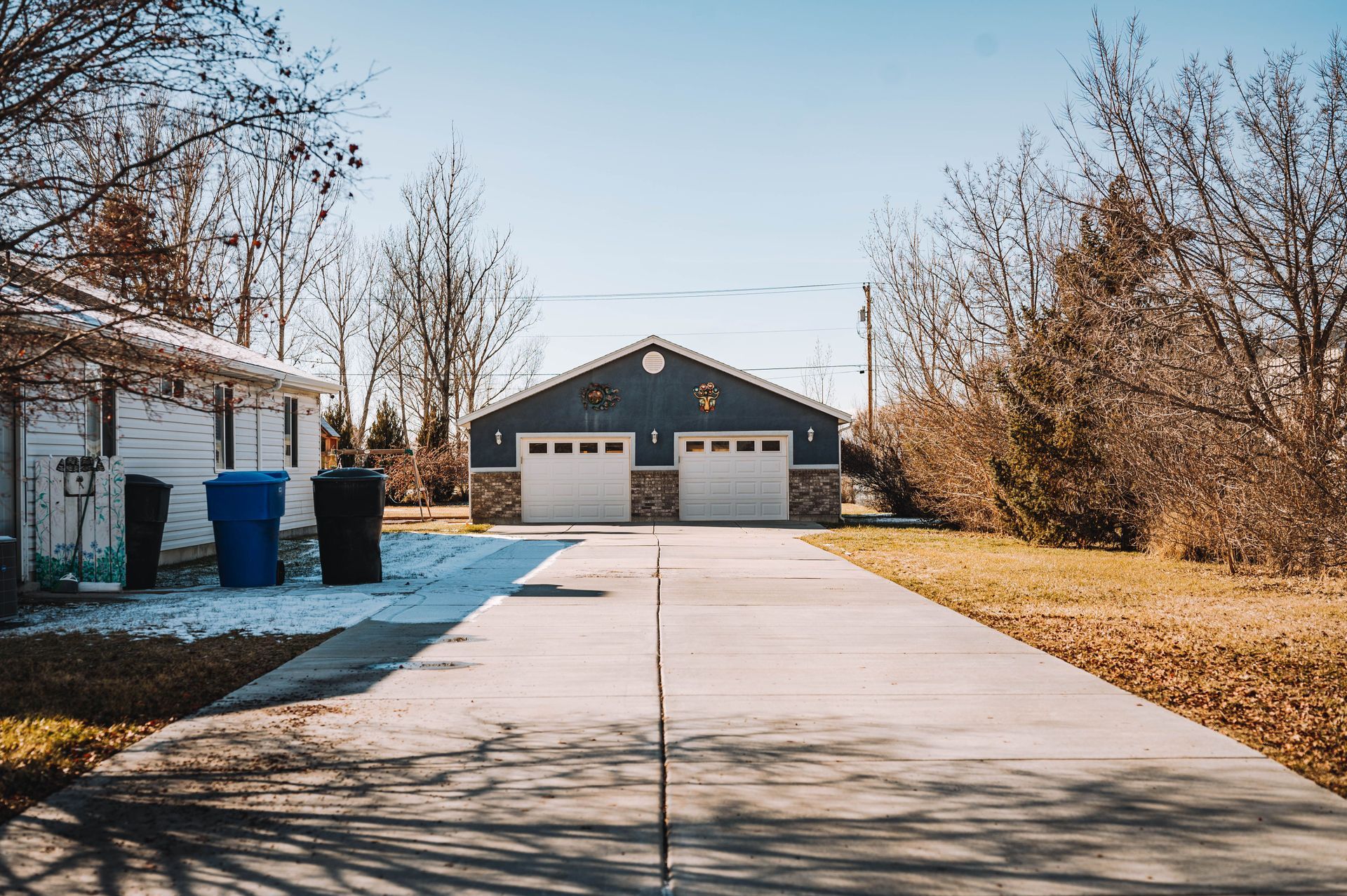
Properties that gained additional vehicles, added a boat or trailer, or need space to turn around without backing into the street often require extending the existing driveway beyond its original footprint. The new concrete must tie into the existing surface at a common elevation, match the drainage slope, and sit on a base prepared to the same standard as the original installation to prevent separation or settling at the joint. Todd Concrete Solutions evaluates where the extension will connect to existing concrete, how grading will direct water away from both surfaces, and what base preparation the new area requires based on current soil conditions.
Installing an extension begins with excavating the area where new concrete will be placed, removing topsoil and organic material, and checking that the subgrade sits at the correct depth to accommodate the rock base and concrete thickness needed to match the existing elevation. The rock base gets compacted in layers and brought to a grade that continues the slope of the original driveway.
Request a detailed estimate that includes grading plans, base specifications, and how the new section will integrate with your current driveway layout.
Why Extensions Fail at the Connection Point
The seam where an extension meets the original driveway experiences stress from temperature changes, vehicle loads crossing the joint, and potential settlement if the new base was not compacted to match the density of the existing subgrade. Rebar dowels drilled into the edge of the original concrete and extending into the new pour create a mechanical bond that keeps both sections moving together rather than allowing independent settlement or separation. The dowel spacing and depth depend on whether the driveway handles passenger cars or must support heavier equipment on a regular basis.
Once the extension cures, you can park additional vehicles without crowding the original driveway space, navigate turnarounds without reversing onto the street, and notice that water drains across both the old and new surfaces toward the same collection points without ponding along the joint. The extension effectively functions as part of the original driveway rather than as an obvious addition.
Extension projects in Augusta sometimes require adjustments to existing landscaping, irrigation lines, or drainage features that occupy the area where new concrete will be placed. Identifying those conflicts before excavation begins prevents surprises during construction and allows for relocating utilities or grading adjustments that maintain proper site drainage.
Common Questions About This Service
Extending a driveway raises questions about how the new section will perform relative to the older concrete and whether the addition will hold up under the same conditions as the rest of the surface.
- What happens if the existing driveway is already showing minor cracks?
- Small surface cracks in the original driveway do not prevent an extension from being installed, but they may indicate base movement or drainage issues that should be addressed at the same time to avoid extending problems into the new section.
- How is the elevation of the new concrete controlled to match the original surface?
- Forms are set using grade measurements taken from the existing driveway, and the rock base is compacted and leveled to bring the top of the new concrete flush with the original surface after accounting for concrete thickness.
- Why does compaction of the rock base matter more for an extension than for replacement work?
- An extension sits on recently disturbed soil, which tends to settle more than the compacted ground under an older driveway, so achieving proper density in the base prevents the new section from sinking below the original surface within the first few years.
- When does an extension require adjustments to site drainage?
- If the extension changes the area where water naturally flows during rain, or if it directs runoff toward a structure or landscaped area, grading adjustments or the addition of drainage features may be necessary to prevent water from pooling or eroding adjacent areas.
- What determines whether rebar is added to the entire extension or only at the joint?
- The decision depends on the size of the extension and the load it will carry, with larger areas or those supporting heavy vehicles typically requiring rebar throughout to control cracking, while smaller extensions may only need doweling at the connection point.
Todd Concrete Solutions plans each extension based on how the new concrete will tie into the existing layout, what site conditions affect grading and drainage, and how the finished surface will be used. Arrange a property evaluation to review your specific extension needs and identify any site considerations that affect design or preparation.